Is Your Website Hurting Your Business? Ten Signs to Look Out For
By
Flux verge
November 27, 2025
Is Your Website Hurting Your Business? Ten Signs to Look Out For
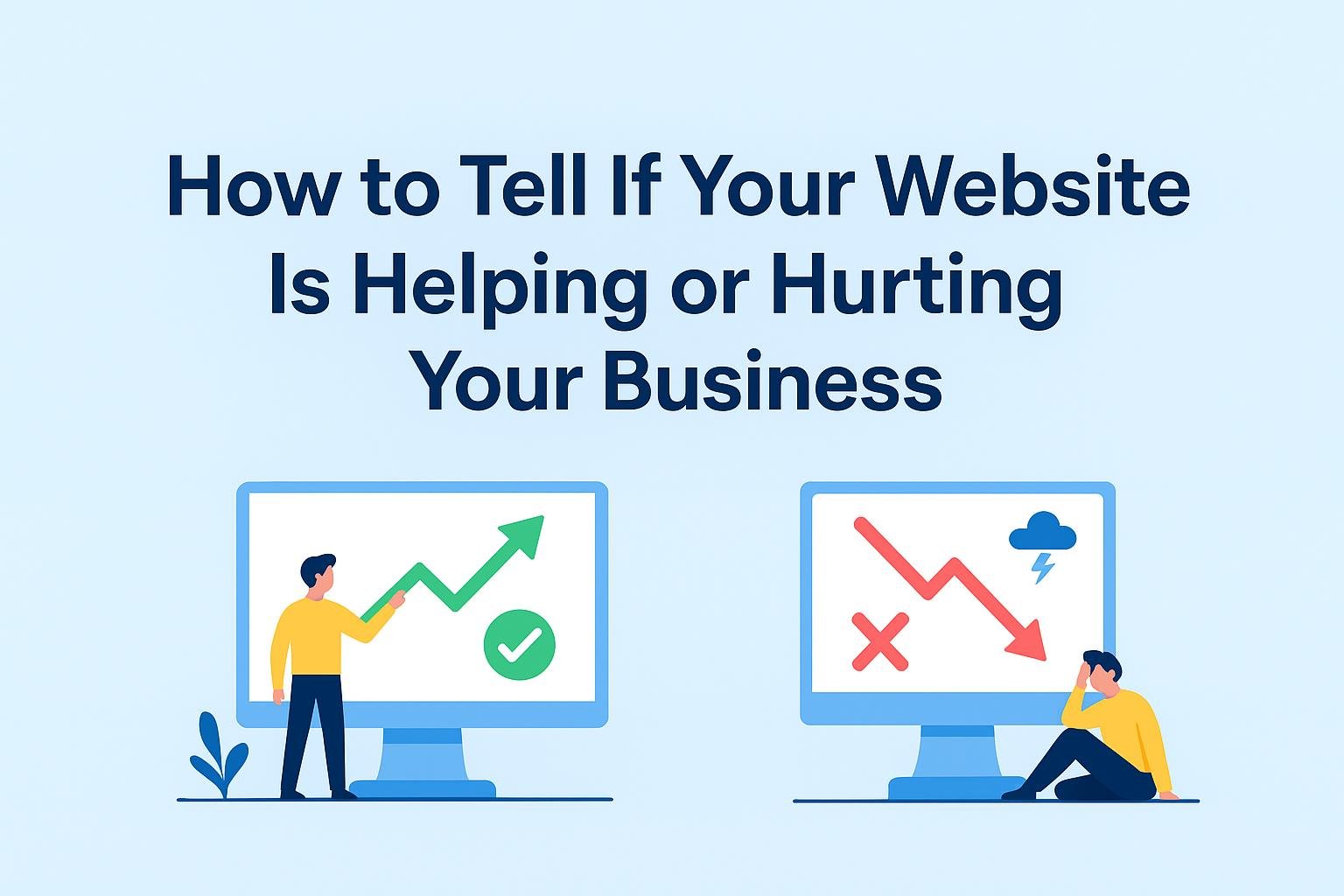
Ten Signs to know If your Website is Hurting your Business
Your website should be one of your hardest working assets. It should earn trust, answer questions, and guide people toward taking action. When it is built well, it becomes a silent salesperson that works 24/7. When it is not, it chips away at your credibility and sends customers straight to your competitors.
If you suspect your site might be holding you back, here are ten signs to watch for.
- Slow loading pages
Speed matters more than most business owners realize. A few extra seconds of load time is all it takes for a visitor to abandon your site. Slow pages also tell search engines that your site offers a poor experience, which pushes you lower in rankings. This creates a cycle where you get fewer visitors and fewer chances to convert them. - Confusing navigation
Good navigation feels invisible. Visitors should move through your site without thinking about it. If people have to dig through menus, search bars, or long pages to find basic information, they leave frustrated. Clear structure gives your content room to work. Confusing paths make users feel lost and ready to click away. - Outdated design
Customers judge your business in seconds. If your site looks dated, cluttered, or mismatched, they assume your business feels the same. You do not need flashy animations or heavy graphics. You just need a clean, modern layout that shows you pay attention to detail and care about user experience. - Broken links or missing pages
A single broken link can derail trust. It makes your business look neglected or sloppy. People expect a smooth, error free experience, and when they hit a dead end, they question whether you maintain anything else with care. Fixing these issues is simple, yet many businesses let them linger. - Poor mobile experience
More than half of your visitors come from their phones. If your site is not mobile friendly, you are losing a massive chunk of potential customers. Text should be readable, buttons should be easy to tap, and pages should load cleanly. A site built only for desktop is a liability in today’s world.

6. Weak or unclear messaging
You have a few seconds to make your point. Visitors want to know who you are, what you offer, and why it matters. If your homepage is filled with vague language, industry jargon, or lines that do not say much, you lose people fast. Clarity builds confidence. Confusion sends visitors to a site that explains things better.
- No clear calls to action
Your website should guide users, not leave them guessing. If you do not tell visitors what to do next, they will not take action. Whether you want them to book a call, request a quote, or make a purchase, the path should be obvious. Buttons should be bold, simple, and placed in the right spots. - Hard to read content
Walls of text, tiny fonts, and low contrast colors make reading a chore. Good design supports the message by making it easy to absorb. Break content into short sections, use clear headings, and keep paragraphs tight. When the reading experience feels smooth, visitors stick around longer. - No social proof
People want proof before they trust you. Testimonials, reviews, case studies, and client logos give that proof. If your site lacks these signals, visitors feel unsure about taking the next step. Even a handful of strong testimonials can lift your credibility. - No updates or fresh content
A blog that ended two years ago or a news section that has not moved in months makes your business look inactive. You do not need constant updates, but your site should feel alive. Small refreshes show you are present and engaged.
If several of these signs sound familiar, your website is not helping your business. It is hurting it.
A strong site builds trust, supports your sales process, and shows the world you are serious about your work. Fixing the weak points does not just improve your online presence. It improves how customers see your business before they ever speak to you. Let your site be an asset, not a barrier.