Is Your Website Hurting Your Business? Ten Signs to Look Out For
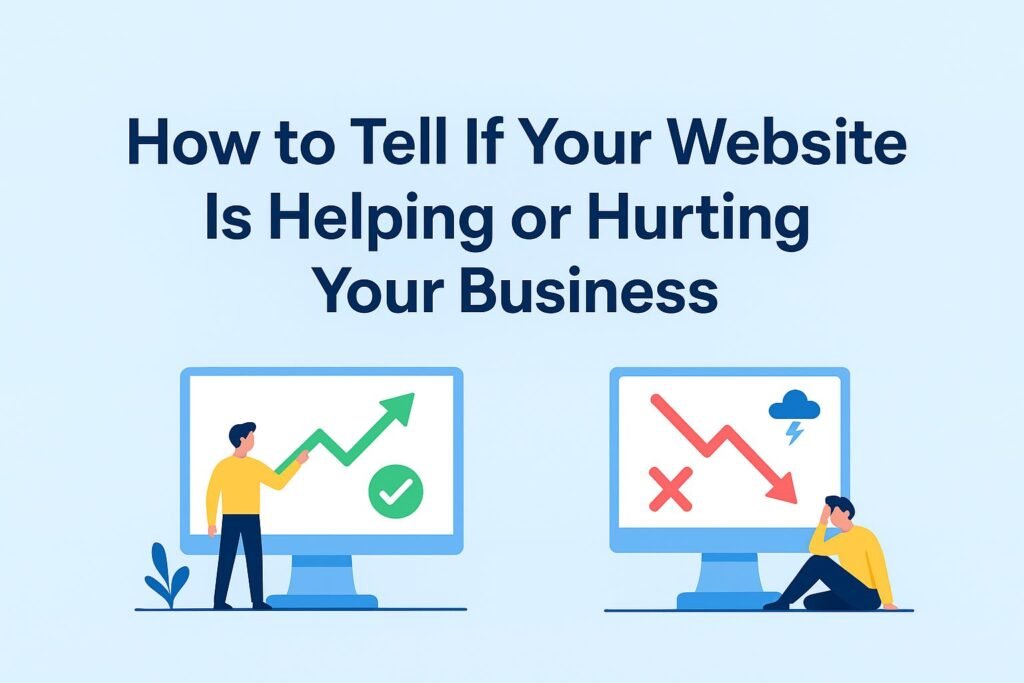
By Flux verge November 27, 2025 in Is Your Website Hurting Your Business? Ten Signs to Look Out For Ten Signs to know If your Website is Hurting your Business Your website should be one of your hardest working assets. It should earn trust, answer questions, and guide people toward taking action. When it is built well, it becomes a silent salesperson that works 24/7. When it is not, it chips away at your credibility and sends customers straight to your competitors. If you suspect your site might be holding you back, here are ten signs to watch for. Slow loading pagesSpeed matters more than most business owners realize. A few extra seconds of load time is all it takes for a visitor to abandon your site. Slow pages also tell search engines that your site offers a poor experience, which pushes you lower in rankings. This creates a cycle where you get fewer visitors and fewer chances to convert them. Confusing navigationGood navigation feels invisible. Visitors should move through your site without thinking about it. If people have to dig through menus, search bars, or long pages to find basic information, they leave frustrated. Clear structure gives your content room to work. Confusing paths make users feel lost and ready to click away. Outdated designCustomers judge your business in seconds. If your site looks dated, cluttered, or mismatched, they assume your business feels the same. You do not need flashy animations or heavy graphics. You just need a clean, modern layout that shows you pay attention to detail and care about user experience. Broken links or missing pagesA single broken link can derail trust. It makes your business look neglected or sloppy. People expect a smooth, error free experience, and when they hit a dead end, they question whether you maintain anything else with care. Fixing these issues is simple, yet many businesses let them linger. Poor mobile experienceMore than half of your visitors come from their phones. If your site is not mobile friendly, you are losing a massive chunk of potential customers. Text should be readable, buttons should be easy to tap, and pages should load cleanly. A site built only for desktop is a liability in today’s world. 6. Weak or unclear messaging You have a few seconds to make your point. Visitors want to know who you are, what you offer, and why it matters. If your homepage is filled with vague language, industry jargon, or lines that do not say much, you lose people fast. Clarity builds confidence. Confusion sends visitors to a site that explains things better. No clear calls to actionYour website should guide users, not leave them guessing. If you do not tell visitors what to do next, they will not take action. Whether you want them to book a call, request a quote, or make a purchase, the path should be obvious. Buttons should be bold, simple, and placed in the right spots. Hard to read contentWalls of text, tiny fonts, and low contrast colors make reading a chore. Good design supports the message by making it easy to absorb. Break content into short sections, use clear headings, and keep paragraphs tight. When the reading experience feels smooth, visitors stick around longer. No social proofPeople want proof before they trust you. Testimonials, reviews, case studies, and client logos give that proof. If your site lacks these signals, visitors feel unsure about taking the next step. Even a handful of strong testimonials can lift your credibility. No updates or fresh contentA blog that ended two years ago or a news section that has not moved in months makes your business look inactive. You do not need constant updates, but your site should feel alive. Small refreshes show you are present and engaged. If several of these signs sound familiar, your website is not helping your business. It is hurting it.A strong site builds trust, supports your sales process, and shows the world you are serious about your work. Fixing the weak points does not just improve your online presence. It improves how customers see your business before they ever speak to you. Let your site be an asset, not a barrier. Tags: Share: Facebook-square Twitter-square Linkedin Whatsapp-square Our Blog Posts Blog How to Show Up in Near Me Google Searches: A Guide for Local Businesses How to Know If Your Marketing Is Working And When to Change It
How to Show Up in Near Me Google Searches: A Guide for Local Businesses
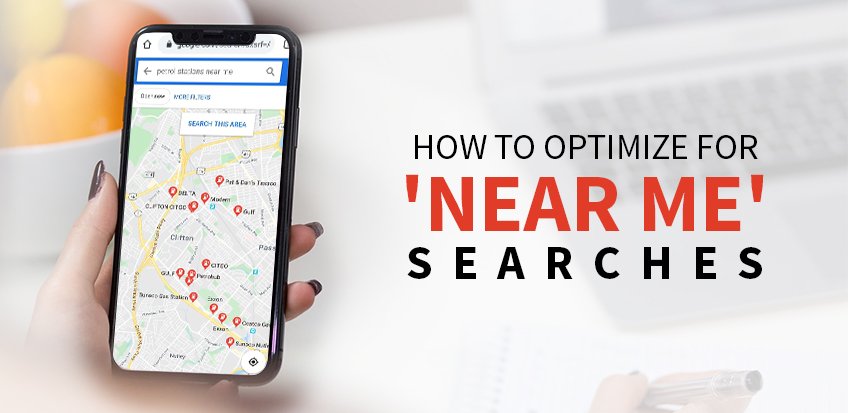
How to Show Up in Near Me Google Searches: A Guide for Local Businesses By Fluxverge November 27, 2025 We have all experienced something similar: walking through a new neighbourhood, hungry, and pulling out your phone to search for “best Ofada rice joint near me.” Or you’ve had a burst pipe at home, and you searched for “emergency plumber near me.”That single search acts as the modern storefront window through which potential customers decide where to spend their money. Being visible in these searches is essential for your business’s survival and growth.“Near me” is the holy grail of digital marketing for local businesses. This is your guide on how to get there.You don’t need a huge marketing budget to rank locally. We’ll guide you through the steps to make your business the top and most relevant answer Google provides. All that’s necessary is to tell Google exactly who you are and where you are. Master Your Digital Front Door: The Google Business Profile Your Google Business Profile (GBP) is the most vital online marketing asset for a local business. This free tool acts as your digital handshake, welcome mat, and information centre all in one. Ensure you master your Google Business Profile even if that’s the only thing you’ll do after reading this.Let’s get it done.Claim and Verify Your Profile: Make sure your profile is verified by visiting google.com/business, searching for your business name, and following the verification steps. This shows that your business is legitimate and Google can trust it.Complete Every Section: Your business name, address, and phone number (NAP) must be entirely accurate and consistent across all online platforms. Include your operating hours, website, and service areas. A complete profile demonstrates your trustworthiness.Select the Appropriate Categories: Be precise. Are you simply a “restaurant,” or are you a “Vegan Italian Restaurant”? Don’t just pick “Restaurant” when you are a specific type of establishment. Accurate primary and secondary categories help Google connect you with the right customers.Write a Compelling Description: Express yourself with your unique story. Use keywords that potential customers search for, such as “family-owned,” “emergency repairs,” or “organic coffee.” Add Photos: Including images in your listings is said to generate about 42% more driving-direction requests. Upload photos of your products, store, team, etc. Become the Obvious Choice: Reviews and Ratings Google prioritises the best options and recommends them to its users. Reviews are major signals for Google’s algorithm to select the top choices. These reviews also speak volumes to potential customers. A collection of positive reviews shows everyone that you are a legitimate and trustworthy business.Don’t hesitate to ask satisfied customers for feedback. Incorporate it into your routine. Most will be happy to leave a review. Send follow-up emails asking for it. Display signs at your shop. Foster an environment that motivates happy customers to share their experiences.Respond to every review: Make sure to reply to all reviews, whether positive or negative. This shows Google that you are an active and engaging business. Personally acknowledge positive comments. Reply to negative reviews in a professionally, thank them for their feedback, apologise, and offer to resolve the issue offline. A well-considered response to a negative review can sometimes build more trust than multiple five-star ratings. Tell Google Who You Are and Where You Are Show what you do and where you do it. Achieve this by optimising your website for local searches. Incorporate local keywords naturally into your content: Your website should clearly show the geographical area you serve. Use phrases like ”best restaurant in Warri” or “pipe repair in Lekki” on your webpage, about page, or contact page. Also, ensure you embed a Google Map on your contact us page.If you have businesses with multiple locations, create a separate page for each one displaying the unique address, phone number, opening hours, and other details. Remember that consistency is vital. Your NAP must be identical across websites, Google Business Profile, and all other directories. Small differences can lead to confusion for search engines. Stay Active, Stay Relevant Maintaining an active and up-to-date profile shows your business is open, engaged, and relevant.Use Google Posts: Be consistent in sharing updates, promotions, events, or new products directly on your profile. Aim to post once a week to keep your profile fresh and active. Upload Photos and Videos: Utilise high-quality images of your products, store, location, team, satisfied customers, and more. Sharing visuals builds trust and encourages people to envision doing business with you.Answer Questions in the Q&A: Always provide prompt and helpful responses to questions in this section. Also, proactively add frequently asked questions and answer them yourself.You have access to the tools, and the path is clear. Every profile detail you complete, every review you respond to, and every photo you upload is a step towards becoming the preferred local choice. Start today. Tags: Share: Facebook-square Twitter-square Linkedin Whatsapp-square Our Blog Posts Blog How to Show Up in Near Me Google Searches: A Guide for Local Businesses How to Know If Your Marketing Is Working And When to Change It
How to Know If Your Marketing Is Working And When to Change It
By Fluxverge November 22, 2025 How to Know If Your Marketing Is Working And When to Change It Let’s discuss marketing. There’s a particular kind of anxiety that arises for business owners and marketers right after launching a campaign. Have you been putting in effort, spending money, and creating plenty of content, only to realize these actions aren’t truly moving the needle? Is your strategy building an empire, or are you just throwing spaghetti at the wall and hoping it sticks?This is a common scenario. It’s easy to get caught up in the action of doing and doing, without waiting a minute to ask the most critical question: has this been working?Having an answer to this is key. It differentiates between building real momentum and just spinning your wheels. And it turns your marketing from an expense into an investment.Marketing isn’t a guessing game; it’s a science of measurement. Let’s work out how to know if your marketing is effective, and the clear signs that signal it’s time for a change. What Does “Working” Mean? To measure success, it must be defined. What does a “win” mean for you and your business? Without a clear and known destination, you won’t know if you are on the right track.Every marketing step you take should be linked to a specific and measurable goal.Just answer some questions about what you are trying to achieve. Is it brand awareness, lead generation, direct sales, or another thing entirely? Your goals will determine the metrics to target. Common Marketing Objectives: Building Awareness: You want to increase your reach. The plan is to get more people to know you exist. You can measure success here by website traffic, clicks, social media reach, and follower counts. Generating Leads: Identify potential customers. You need to track metrics such as email newsletter sign-ups, contact form submissions, or free resource downloads.Driving Sales: You want people to buy. You need to look into key metrics such as conversion rate, total revenue, and the average order value.Fostering Loyalty: You want to turn one-time customers into lifelong fans. Look into repeat purchase rates, customer lifetime value, and engagement in community forums or groups. Numbers to Watch: Those That Tell the Story Once you identify your goal, know the numbers to look out for. Although data can feel overwhelming, ensure you focus on a few key indicators that directly connect to your set objective. What should you look out for? For Awareness Goals: Reach & Impressions: Watch out for how many unique audience members are viewing your content (reach) and how many times your content is being displayed (impressions). This is the widest view of your visibility. Website Traffic: Do people really visit your website? Check the total users, new users, and the sources of this traffic (social media, Google, email, etc.). These metrics show if you are being heard in the digital world. For Engagement Goals: Likes, Comments, & Shares: Interactions show that your contents resonate with your audience. Likes, comments, and shares are the most basic signs of this approval. Click-Through Rate (CTR): Among all those who saw the post, email, or ad, what percentage of the people clicked the link? Having a high CTR means your message and what you offer are enticing. Engagement indicates that people are listening. For Conversion Goals: Conversion Rate: This is the most critical metric. What percentage of people who visit your sales page or saw your offer took action (or purchase)? Cost Per Acquisition (CPA): How much does it cost on average to get a new customer? Knowing this number is very important to managing your budget. Return on Ad Spend (ROAS): What is the return on what you spend on ads? How many dollars do you accrue in revenue for every dollar you spend on ads? This shows if the paid ads are profitable. This is where your efforts turn directly into results. When to Check and When to Change Your Marketing You know your goals and metrics. What’s next? The final piece is to establish a consistent rhythm for reviewing data and making decisions. This is an active process, which involves a continuous loop of action, measurement, and adjustment. Create a schedule for yourself. A Simple Review Schedule: Weekly Check-in: Check your high-level metrics. Are your social media ad campaigns going as planned? Did you achieve a good open rate with your email campaign? This will enable you to make minor and tactical tweaks. Monthly Review: Now, go deeper. Analyse the trends over the past month. Identify what content performed the best. Through which channel was the most traffic and leads driven? This will show you what to focus more on and what to drop. Quarterly Strategy Session: It’s time to step back and look at the bigger picture. How has your marketing performance been impacting your overall business goals? Are the strategies of the last three months still working? It is time to consider bigger pivots. Knowing when to change your marketing strategy is just as important as knowing what to measure. So, how do you know when to change your marketing strategy? Look out for the signs. Performance has Peaked: Change when your growth has stalled for several weeks or months. The same actions are yielding diminishing returns. Engagement is Dropping: You should consider changing when your open rates are declining, or your social posts are getting fewer interactions. Your audience might be getting tired of the message. Your Costs are Too High: When your Cost Per Acquisition is climbing, or your Return on Ad Spend is sinking, consider changing strategy and approach. It’s no longer profitable to continue what you’re doing. Once you start seeing these signs, know that it’s time for a change. It signals curiosity. You must form new hypotheses and run new tests. Tags: Share: Facebook-square Twitter-square Linkedin Whatsapp-square Our Blog Post Blog Is Your Website Hurting Your Business? Ten Signs to Look Out For How to Show Up in Near Me Google Searches: A Guide for